A patio here lasts when the base does: excavated, compacted gravel, pitched to drain, edged so it can't spread, then pavers, bluestone or natural stone on top. Freeze-thaw winters heave and sink patios built on a thin base. The crew designs the size and layout with you and puts materials and price in writing.
Updated November 11, 2026
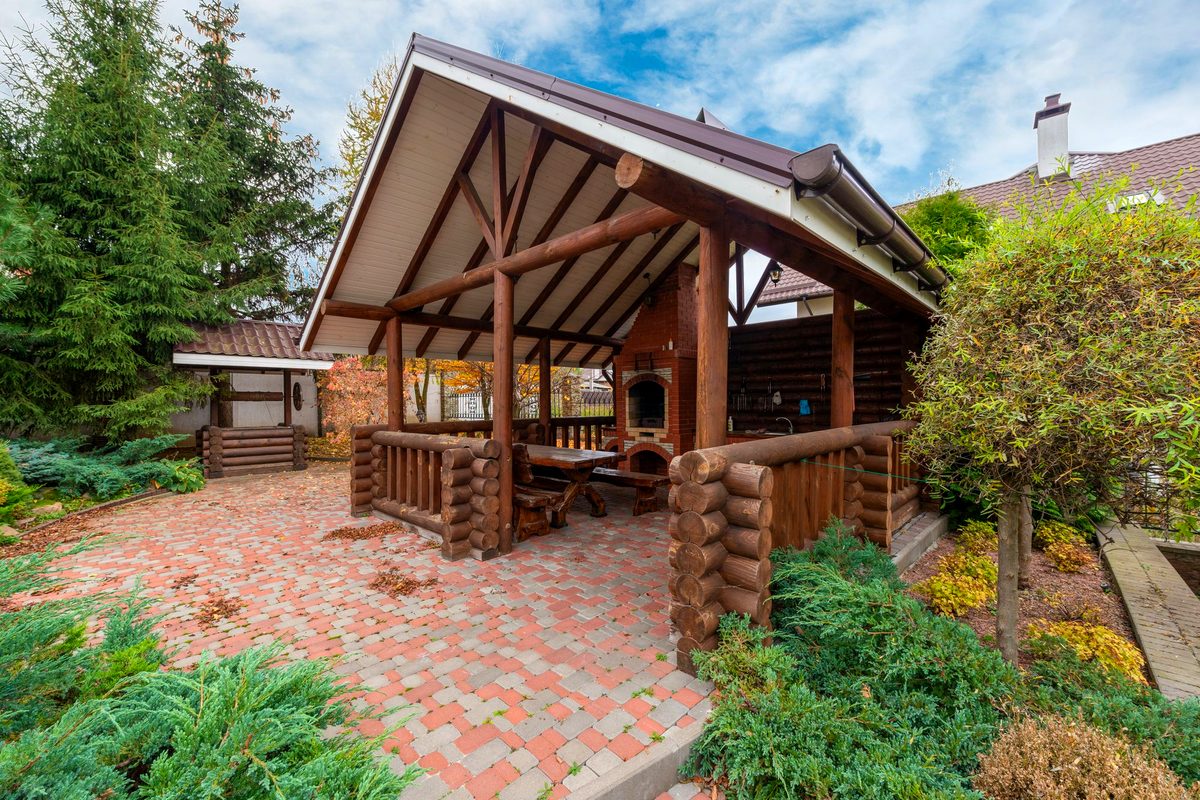
The difference between a patio that's flat in ten years and one that's heaving in two is mostly what's under it.
| Material | Look | Know |
|---|---|---|
| Concrete pavers | Clean, many colors and patterns | Uniform; easy to lift and relay |
| Bluestone | Classic New England, blue-gray | Gets hot in sun; thermal finish is less slick |
| Natural fieldstone or granite | Rustic or formal | Irregular; skilled work |
| Brick | Historic downtown look | Use paving brick rated for freeze-thaw |
Within 200 feet of the shore, Rhode Island's Coastal Resources Management Council generally requires a permit for construction; ask before you design. We're a referral service: one local crew gets your request and quotes in writing.
Pavers are uniform and easy to repair; bluestone is the classic New England look. Both last on a good base.
Spring through fall, while the ground isn't frozen.
Usually not inland; within 200 feet of the shore a CRMC permit may be needed.
Tell us the address and what you want to build. One local crew based in Bristol sees it, sketches it and puts design and price in writing.
Plain, sourced answers about patios, walls and steps in Bristol and the East Bay, and one introduction to a local crew when you're ready to build.
East Bay Hardscape is an independent referral service, not a contractor. We don't build, schedule or price work; the local crew we connect you with handles all of that directly with you and is responsible for its own registration, insurance and permits. We are not lawyers; permit information is general.
© 2026 East Bay Hardscape.
